
GEOSPATIAL RESEARCH SEMINAR SERIES (GRISS) – 28 June 2019
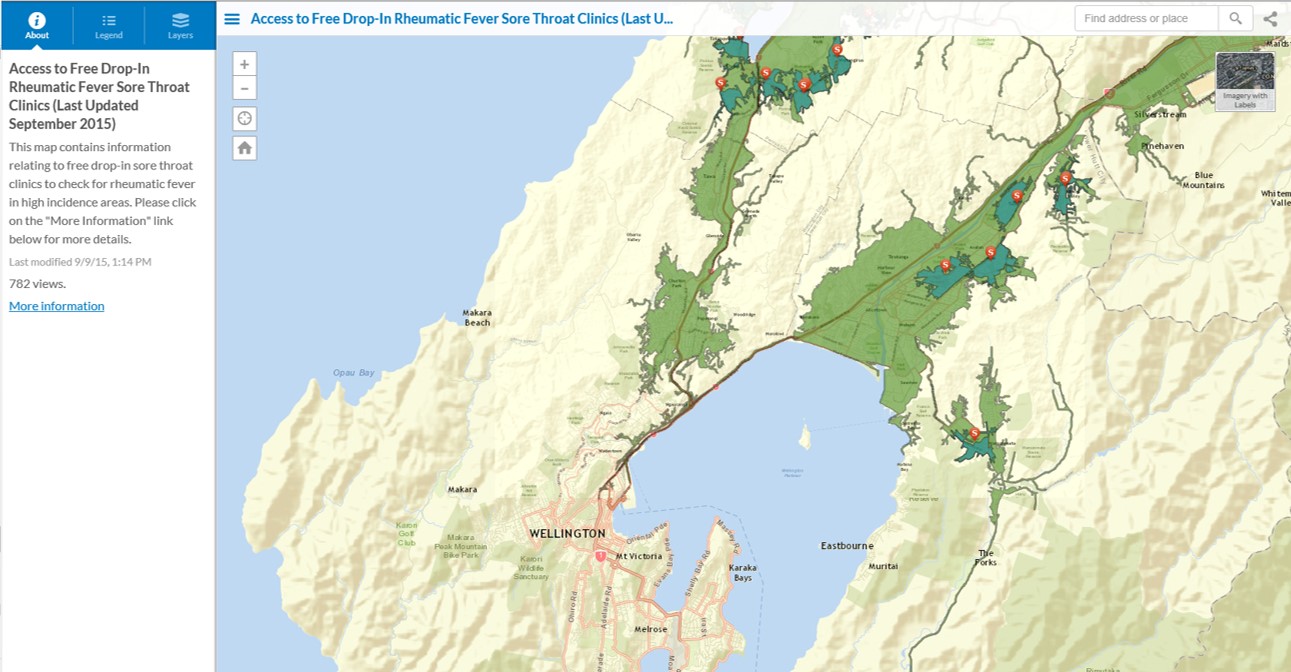
Dr John McCarthy is a Principal Technical Specialist within the Health & Disability Intelligence Group at the Ministry of Health (MoH). In this talk John will be discussing the capability and capacity for geospatial analysis at the MoH, and how geospatial evidence contributes to policy formation and Government priorities. A current project, the development of an Atlas of Cancer Variation for New Zealand, will be presented as a working example.
GEOSPATIAL RESEARCH SEMINAR SERIES (GRISS) – 31 May 2019
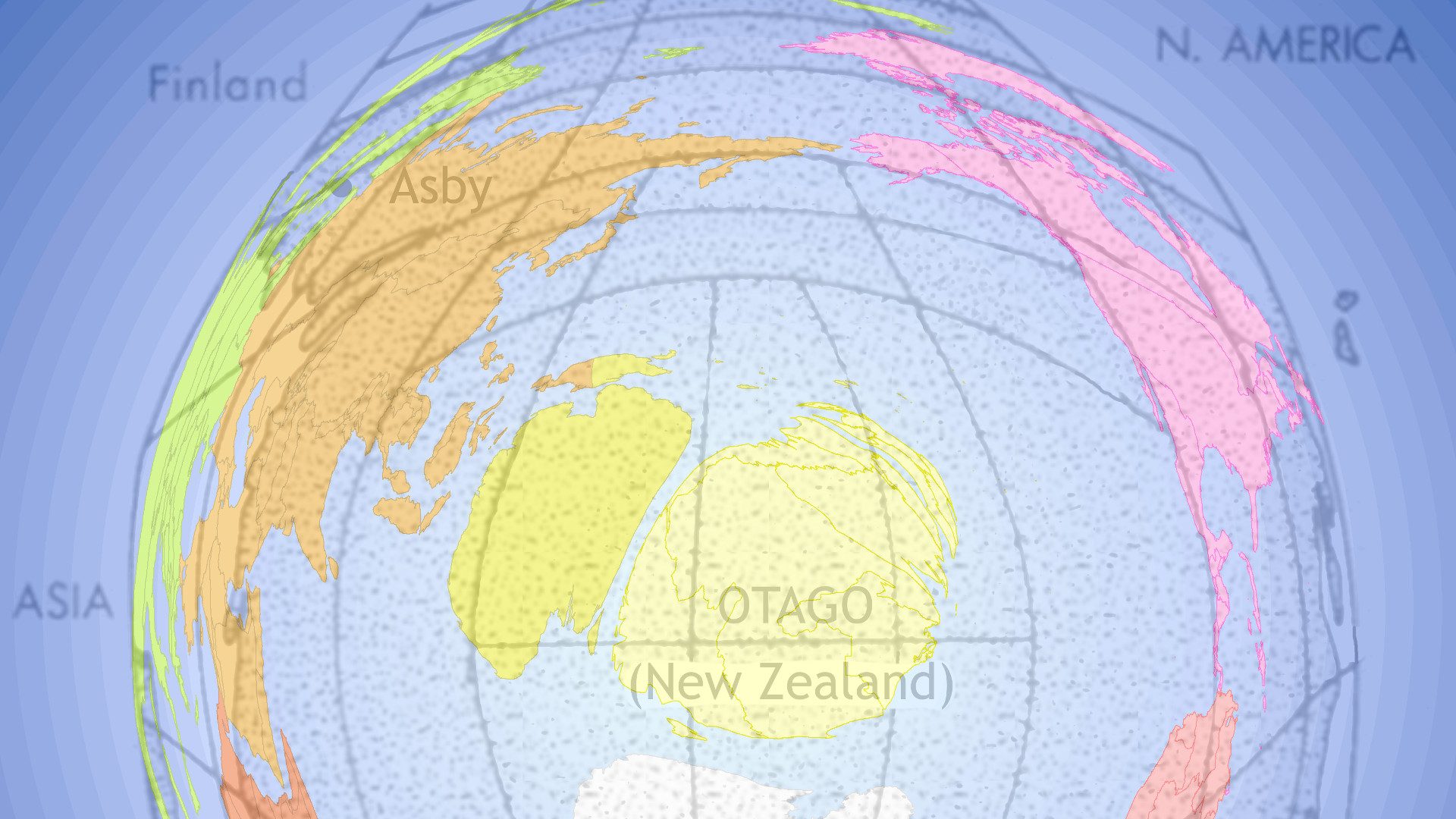
The spatial data that underpin the maps we see are often compromised by the limited space for them in the map. For example, a large amount of features have to be mapped in cities but there is comparatively less area to contain them relative to the feature-poor rural areas. We usually apply generalisation processes to select, emphasise and simplify representations of data in the map so that it “fits”. We introduce an alternative data-driven approach to allocating map space, where cartogram techniques expand or contract space to accommodate more or less data.
GEOSPATIAL RESEARCH SEMINAR SERIES (GRISS) – 3 May 2019
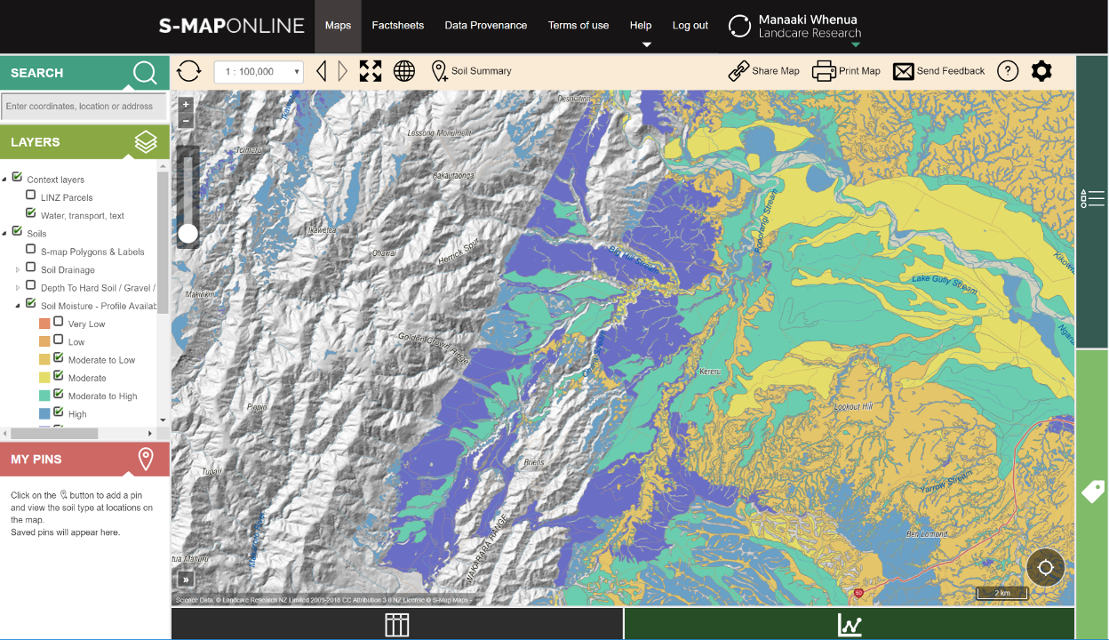
The collection and analysis of environmental data are critical to us understanding the New Zealand environment of the past, today and to anticipate the future. Conclusions drawn from environmental observations, analysis and models guide decisions and actions by governments, businesses and individuals. The complexity of the issues we need to understand require the ability to easily discover, access and use environmental data across a broad range of domains. The reality is that although environmental data is abundant, potential users are hampered by an inability to discover, access, and use the information.
GEOSPATIAL RESEARCH SEMINAR SERIES (GRISS)
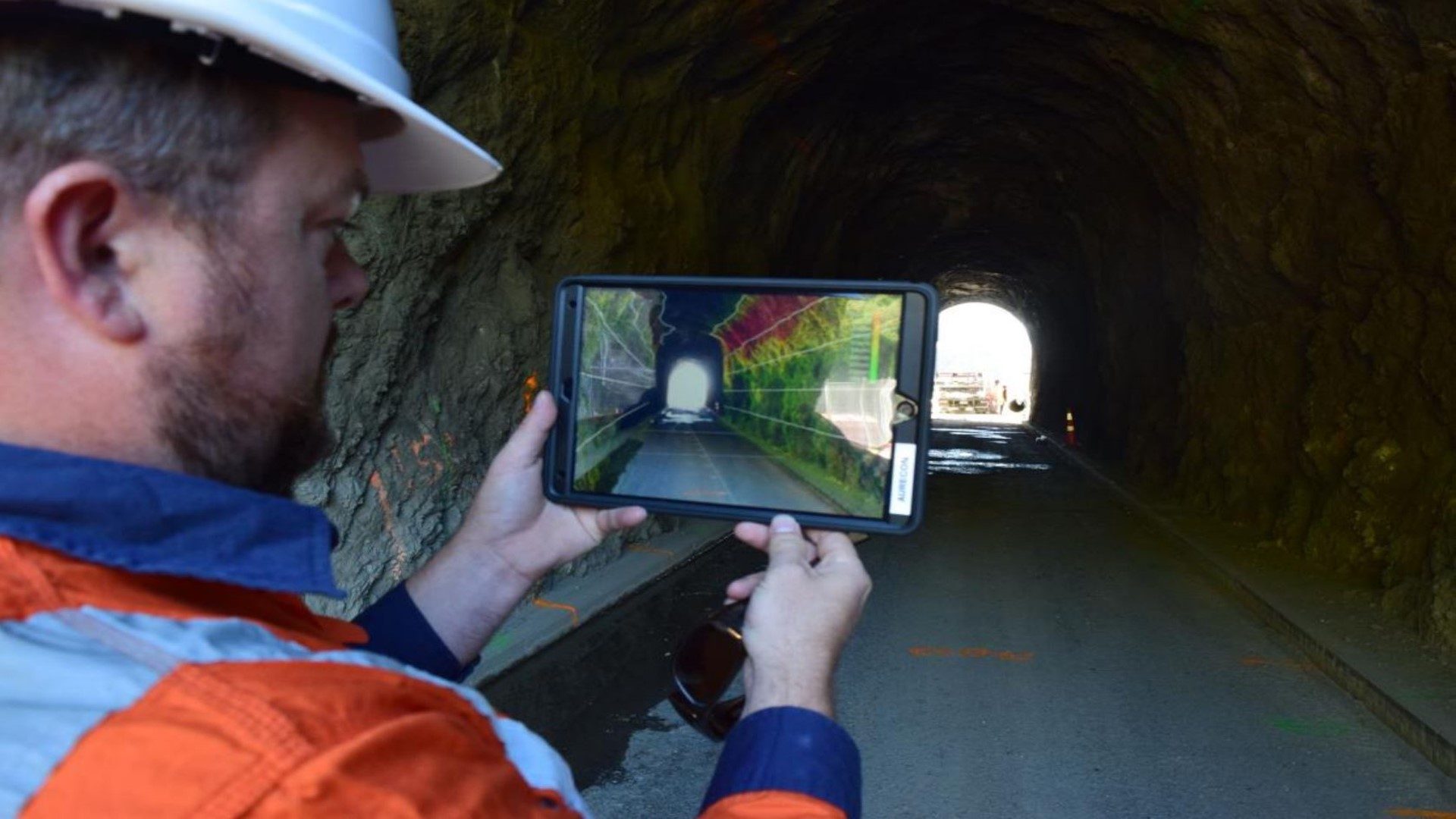
Augmenting Abilities: Reality Capture to Design, Analysis, and Immersive Experiences The way we interact with the design process is evolving, from how we capture information about the world around us, to how we engage with design tools. This presentation will showcase how we’ve adopted emergent technology into daily workflows at Aurecon, enabling us to perform […]
GEOSPATIAL RESEARCH SEMINAR SERIES (GRISS) – 22 February 2019
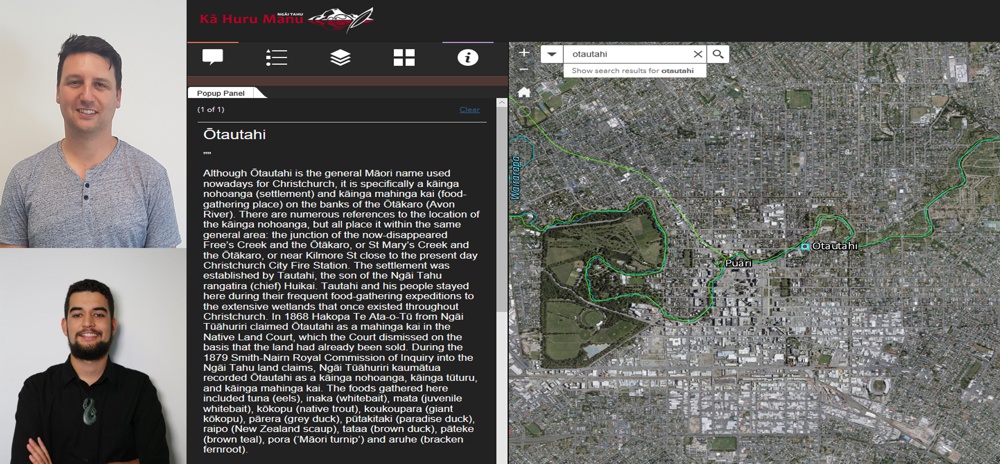
In today’s modern society, Ngāi Tahu is adopting geospatial technology as a tool to assist with the protection of Ngāi Tahu history for future generations. Led by the iwi driven Kā Huru Manu (Ngāi Tahu Cultural Mapping Project), Ngāi Tahu Papatipu Rūnanga are using geospatial technology to research and present evidence seeking protection of Ngāi Tahu cultural values through central and local government statutory planning processes, resource consent applications and restoring traditional Māori place names through the New Zealand Geographic Board process.
GEOSPATIAL RESEARCH SEMINAR SERIES (GRISS) – 30 November 2018
Jennifer Brown, School of Mathematics and Statistics, University of Canterbury Trends in Environmental Sampling Spatially balanced sampling is becoming a popular design for surveys in biological and environmental management. In large scale surveys the use of a spatially balanced design gives some assurance that there will be spatial coverage over the entire area. The resultant […]