 Speaker:
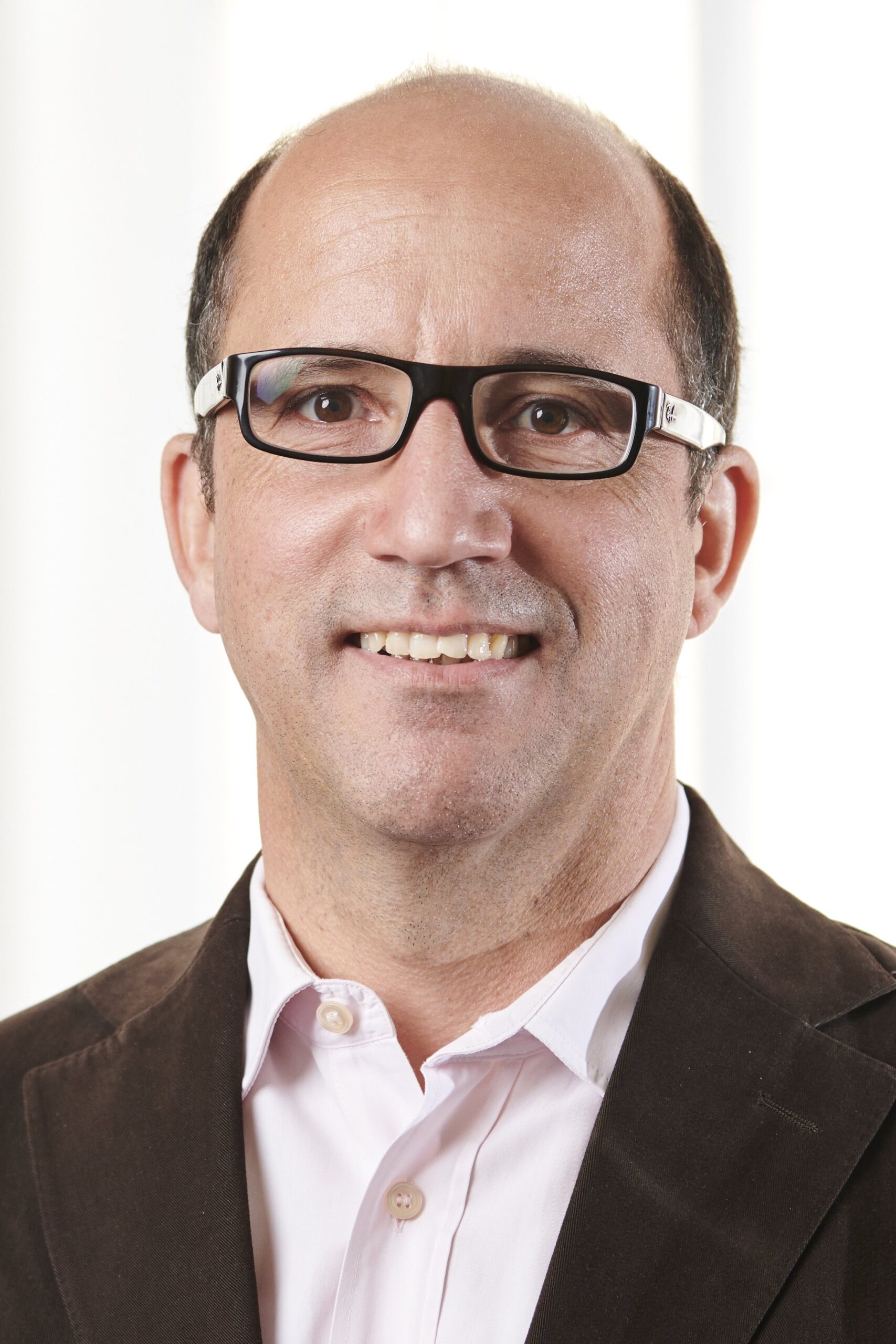
Dr Marwan Younis
Professor
Spaceborne Radar Systems
Karlsruhe Institute for
Technology (KIT)
From 1998 to 2004, Dr. Marwan Younis was a research scientist with the Institut für Höchstfrequenztechnik und Elektronik, Universität Karlsruhe. Since 2005 he has been with the Microwaves and Radar Institute of the German Aerospace Center (DLR), Oberpfaffenhofen, Germany. He is currently Head of the SAR Techniques Group at the DLR and Professor for Spaceborne Radar Systems at the Karlsruhe Institute for Technology (KIT), Germany. He is the author and co-author of about 200 conference papers, 50 reviewed publications and holds 5 patents. He is DLR Senior Scientist and his research fields include synthetic aperture radar (SAR) systems and techniques, MIMO SAR, digital beamforming, SAR performance, calibration, and antennas. In 1996, he was an intern at the Jet Propulsion Laboratory (JPL), in 2013 and 2019 he spent research sabbaticals at JPL. Currently, he is doing a three-month DLR study leave at the University of Canterbury and the Restorlab both located in New Zealand.
Seminar Summary:
State-of-the-art spaceborne synthetic aperture radar missions show two converging trends. On one hand, highly sophisticated radar instruments designed for ultra-high imaging performance and accuracy, predominantly launched by space agencies often through international collaborations, are operated for environmental and mapping purposes. On the other hand, radar satellites successfully launched by medium-sized companies with the aim of providing high-resolution local images to paying customers, often serving military applications.
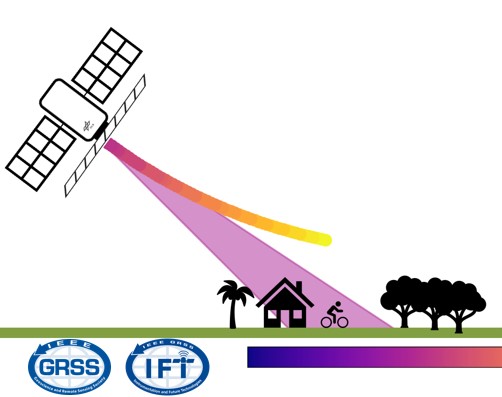
The talk outlines the principles of Synthetic Aperture Radar and provides an overview of the underlying radar instrument designs and imaging techniques. It then details a specific imaging mode known as f-STEC which explores the SAR trade-space in an unusual way by time compressing the return echo. It is demonstrated how the f-STEC imaging mode can be utilised by both aforementioned trends.
6th March 2026
Ernest Rutherford 263 | University of Canterbury or Online via Zoom
- Refreshments & Networking: 12:30-1:00 pm
- Seminar: 1:00-2:00 pm
- Register for free at HUMANITIX: https://events.humanitix.com/sarimaging